

Tom Dear, Review and Interview Editor
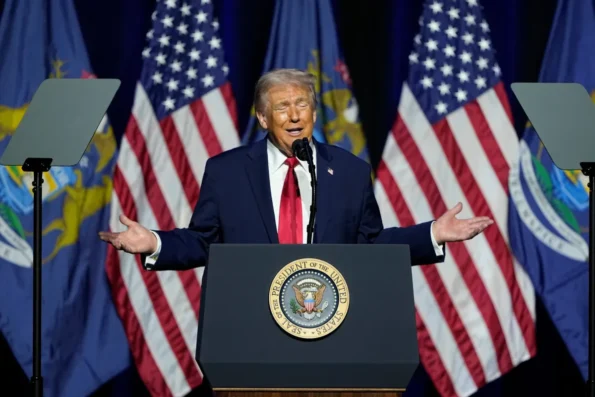
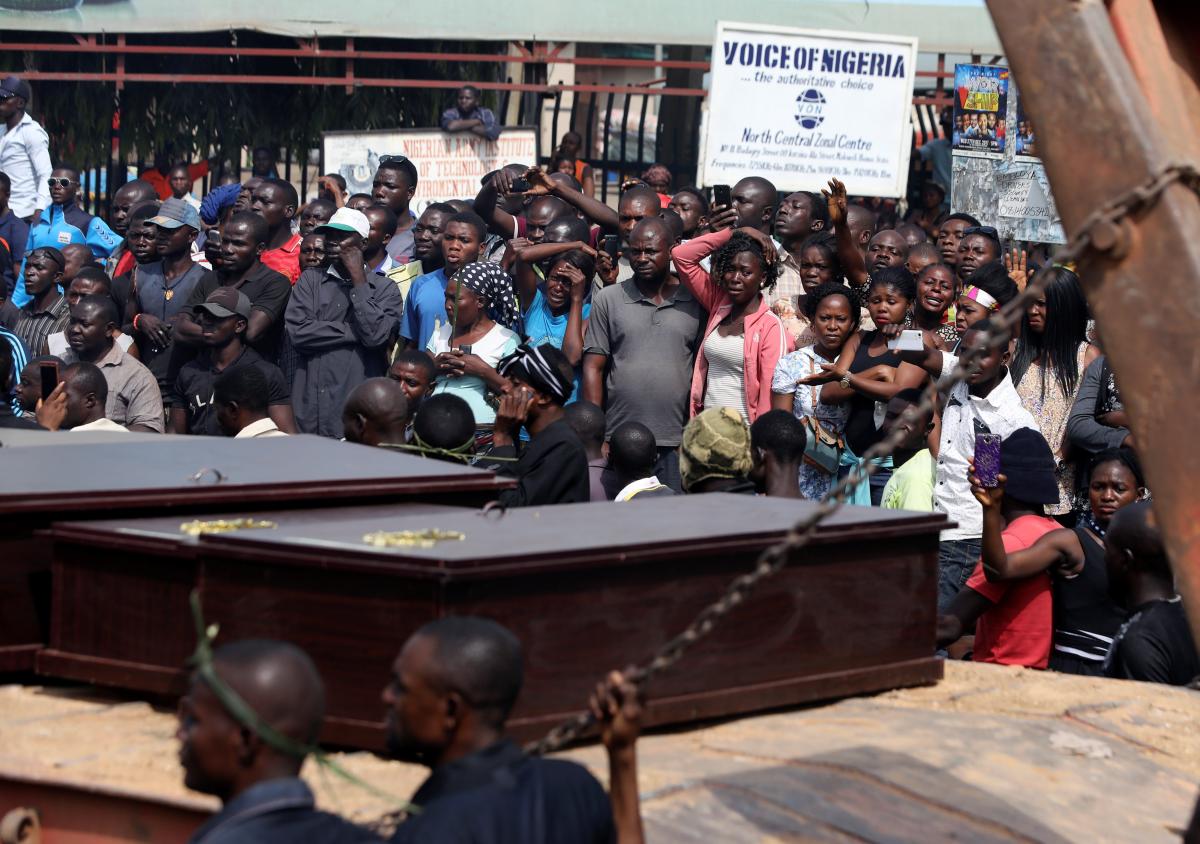
There has been a recent surge in social media of various posts showing horrendous statistics of religious violence in Nigeria. Posts on Instagram include claims that President Trump, various celebrities, and the founder of the American PMC, Blackwater, are calling out for more coverage and a resolution to the religious violence.[1] Amongst these social media posts there has been circulating; a video showing Nigerians fleeing a village whilst being fired upon with automatic rifles. The caption on the video reads, “This is what the Islamist takeover of Nigeria looks like. Over 7000 Christians were slaughtered in just the last 220 days.” The video and many of the other social media posts cite intersociety.[2] Through the reading of various news articles as well as researching relevant academia, it becomes overwhelmingly apparent that Nigeria is and has, for many years, been suffering from religious violence that not only has a devastating effect on Nigerian people but is also threatening the foundations upon which the Nigerian state is built.
Other recent statistics include around 52,000 Nigerian Christians being killed since 2009, 7000 in 2025 so far, 19,000 churches destroyed, and at least 5 million Nigerians being forced into refugee camps as well as out of the country.[3] According to Open Doors, 80% of all Christian deaths worldwide from religious violence can be attributed to Nigerians.[4] Clearly, something must be done both immediately and continuously in order slow down, ultimately stop, and then begin to mend the damage done from religious violence. A two-pronged solution seems to be what various news articles and academic articles are alluding to, although maybe not outwardly agreeing to. This two-pronged approach seems to first be an enhancement of Nigeria’s security capabilities and then a long-term resolution of conferences, religious tolerance, dialogue, and strengthening of democratic institutions.
The violence, although seemingly directed at Nigerian Christians, can be seen amongst all religious groups in Nigeria, including Christians, Muslims, and various tribal religions, with violence from each one, on both each other and themselves. The most notable and extensive attacks by Boko Haram are on anyone they deem a threat to their version of Islam.[5] Thus, the notion that religious violence within Nigeria can be reduced to Christianity versus Islam can be at once expelled, as the issues over religious violence are much more complex. In fact, the Nigerian Security Tracker claims that most of the 41,600 Nigerians killed by Boko Haram in Northeastern Nigeria from October 2022 onwards were Muslims themselves.[6] In addition to this, there has been a rise in violence between Fulani herdsmen, a semi-nomadic, mostly Muslim tribe, and groups of mainly Christian farmers. This violence, although religious in dimension, is often due to disputes over land and farming/grazing rights. Thus, showing that the violence, whilst fuelled by religion, is also exacerbated by other factors, including differences between ethnic groups and their ways of living, including differences in religion.[7]
The very reason why Nigeria is such a diverse and unique country, having many different ethnic groups with varying religions, has sadly become a reason for the religious violence. One way in which to resolve the violence, when also combined with an increase in Nigeria’s security capabilities, is a long-term plan where “education, tolerance, dialogue and reconciliation, among others, should serve as tools with which to douse the social violence that emerges from the practice of religion in Nigeria”.[8] This resolution can be seen as being proposed by many academics and news articles. For example, religious leaders of all faiths should hold conferences where there is free and open dialogue, events and spaces where people from various ethnic and religious backgrounds can come together should be created, broadcasting of said conferences and events on local radio and through local news platforms both in print and through online media, co-operation between various religious and non-religious NGOs, and local groups should be created and trained to go out into their communities and promote religious tolerance and co-operation. When implemented, this approach will serve, in the long term, to bridge the divide between different ethnic groups through toleration and build understanding, respect, and peaceful cohabitation through co-operation. An exact example of this is the Strength in Diversity Development Centre, where religious and government leaders come together to train religious actors who can help prevent, stop, and hinder the escalation of religious violence.[9] The organisation claims that peace and security are every Nigerian’s business and brings together Nigerians from all walks of life.
The horrific numbers of casualties demonstrate the damage caused to the Nigerian people by religious violence as well as eluding to the damages the violence has done to the psychological well-being of Nigerians, the ability of Nigerian communities to function, workplace affects as well as distrust amongst religious groups and of religious groups. What the numbers may, however, not initially allude to is the damage the violence is also doing to the Nigerian state, for example, its bureaucratic and physical infrastructure. Nakanda et al, as well as Aderele, argue that the Nigerian state is unstable and suffering due to the violence. The latter states, “The problem of religious violence poses a significant threat to the stability and overall order of the country”.[10] It is therefore apparent that religious violence is contributing to a stagnation of economic and political growth.[11] In addition to this, a steep increase in unemployment numbers, as well as damaged properties and businesses, can be seen as a direct result of violence. Thus, showing that violence occurring in Nigeria, whilst fuelled by religion, is also having a profoundly negative effect on the state’s economy, agriculture, and administration.
It is therefore argued that, foremost and in the short term, the security of the country needs to be enhanced either through the development and deployment of Nigerian security forces or through military intervention from foreign states. Recent remarks from Trump and other US ministers, as well as Erik Prince, show that there may be potential security involvement from the US military. However, this may have the opposite effect of what is intended and instead incite more violence whilst leading to the continuation of the violence. Not only this, but US intervention could bring about claims of colonialism, which is argued to have been one of the initial contributing factors to religious violence in Nigeria. The African leadership magazine argues that borders drawn up by historical colonial powers often ignored traditional religious or ethnic differences, which have led to clashes between groups. African Bishops have also advised caution in any resolution, whilst calling on the Nigerian government to uphold the law and condemn those guilty of religious violence. Instead, then, Nigeria’s security forces need to implement a better military strategy to directly fight Boko Haram and then look towards peacekeeping backed with more legislation and administration from Nigeria’s government to uphold religious toleration.
Bibliography:
Aderele, A. J. (2024). Muslims and Christians in Nigeria: A Proposed Solution to Interreligious Violence. Journal of Comparative Study of Religion, 3(2), 31-49. https://www.researchgate.net/publication/380723276_Muslims_and_Christians_in_Nigeria_A_Proposed_Solution_to_Interreligious_Violence
Brubaker, R. (2015). Religious Dimensions of Political Conflict and Violence. Sociological Theory, 33(1), 1–19. http://www.jstor.org/stable/44114430
Ilesanmi, S. O., & Temoney, K. E. (2018). Counterterrorism and religious violence in Nigeria: a just war perspective on the doctrine of necessity. In M. C. Green, T. J. Gunn, & M. Hill (Eds.), Religion, Law and Security in Africa (Vol. 5, pp. 177–193). African Sun Media. https://doi.org/10.2307/j.ctv21ptz2w.16
Malcom, B. (2025, February 25.) Ethnic and Religious Divisions Fuelling inter-group Violence in Africa. African Leadership Magazine. https://www.africanleadershipmagazine.co.uk/ethnic-and-religious-divisions-fuelling-inter-group-violence-in-africa/
Nakanda, E. V., Abunimye, U. F., Godwin, E. B. (2024). Religious Violence and Insecurity in Nigeria. British Journal of Contemporary Education, 4(1), 74-90. https://abjournals.org/bjce/wp-content/uploads/sites/20/journal/published_paper/volume-4/issue-1/BJCE_9XNKNJXR.pdf
Sulaiman, K. O. (2016). Religious Violence in Contemporary Nigeria: Implications and Options for Peace and Stability Order. Journal for the Study of Religion, 29(1), 85–103. https://www.jstor.org/stable/24805708
Aideed, F. (2025, October 4). Blackwater Founder Ask Pope Leo To Fund His Operators To Protect NIG Christians. Nairaland Forum. https://www.nairaland.com/8532780/blackwater-founder-ask-pope-leo
Taylor, J. (2025, September 30 ). 52,000 Christians Have Been Murdered in Nigeria — Why Is Nobody Talking About It?. Relevant. https://relevantmagazine.com/justice/social-justice/report-more-than-7000-christians-killed-in-nigeria-this-year/
Editorial Team. (2025, October 10th). Erik Prince requested funding from Pope Leo XIV to protect Christians in Nigeria. La Derchadiario. https://derechadiario.com.ar/us/argentina/erik-prince-requested-funding-from-pope-leo-xiv-to-protect-christians-in-nigeria
Open Doors. (2025). Nigeria. https://www.opendoors.org/en-US/persecution/countries/nigeria/
Oliwe, A. (2025. June 14). Approach religious issues with caution to avoid violence, Bishop tells govt. The Guardian. https://guardian.ng/news/approach-religious-issues-with-caution-to-avoid-violence-bishop-tells-govt/
United States Institute of Peace. (2024, May 30). Faith Leaders and Community in Nigeria: An Antidote to Violent Extremism. https://www.usip.org/blog/2024/05/faith-leaders-and-community-nigeria-antidote-violent-extremism
Humanitarian Aid Relief Trust. (2021, March 5). Religious Conflict in Nigeria: How it has Become a Threat to National Security and what can be Done to Stop it. https://www.hart-uk.org/blog/religious-conflict-in-nigeria-how-it-has-become-a-threat-to-national-security-and-what-can-be-done-to-stop-it/
[1] Editorial Team, “Erik Prince requested funding from Pope Leo XIV to protect Christians in Nigeria,” La Derecha Diario (US), 3 October 2025, https://derechadiario.com.ar/us/argentina/erik-prince-requested-funding-from-pope-leo-xiv-to-protect-christians-in-nigeria.
[2]International Society for Civil Liberties and Rule of Law (Intersociety), “Intersociety” (website), accessed, https://intersociety-ng.org.
[3] Taylor, J. “52,000 Christians Have Been Murdered in Nigeria – Why Is Nobody Talking About It?,” RELEVANT, 30 September 2025, https://relevantmagazine.com/justice/social-justice/report-more-than-7000-christians-killed-in-nigeria-this-year/.
[4] 4. Open Doors, “Nigeria” (country profile), https://www.opendoors.org/en-US/persecution/countries/nigeria/.
[5] Sulaiman, K. O. (2016). Religious Violence in Contemporary Nigeria: Implications and Options for Peace and Stability Order. Journal for The Study of Religion, 29(1), 85-103.
[6] Aderele, A. J. (2024). Muslims and Christians in Nigeria: A Proposed Solution to Interreligious Violence. Journal of Comparative Study of Religion, 3(2), 31-49.
[7] Malcom, B. (2025, February 25.) Ethnic and Religious Divisions Fuelling inter-group Violence in Africa. African Leadership Magazine.
[8] Sulaiman. (2016), 1
[9] Majemua, I. S. B., Nueka, O. A. (2024, May 30). Faith Leaders and Community in Nigeria: An Antidote to Violent Extremism. United States Institute of Peace.
[10] Nakanda, E. V., Abunimye, U. F., Godwin, E. B. (2024). Religious Violence and Insecurity in Nigeria. British Journal of Contemporary Education, 4(1), 74-90.
[11] Sulaiman, K.O. (2016)